
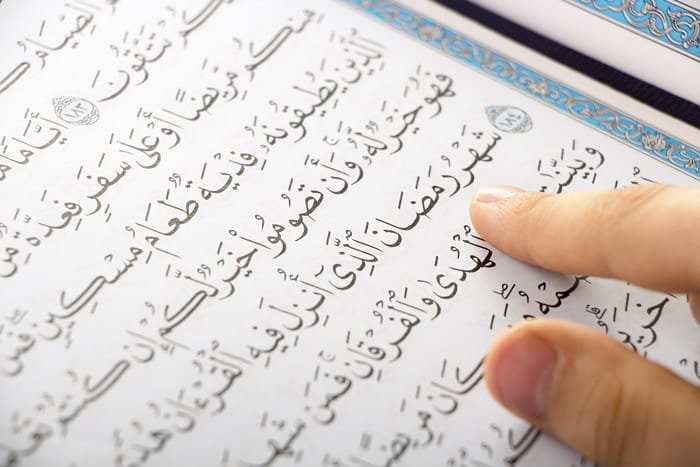
The Quran is not only a holy book but a complete guide for life according to Islam. It provides direction for personal conduct, family relationships, social justice, and spiritual growth. For Muslims, the Quran serves as a source of wisdom that shapes beliefs, actions, and decisions in everyday life. Through its teachings, moral principles, and divine guidance, the Quran helps believers live a balanced and purposeful life that pleases Allah.
Alongside the Quran, the teachings of the Prophet Muhammad ﷺ further clarify how to implement its guidance, making Islam a practical way of life rather than merely a set of rituals.
The Quran as a Complete Guide for Life
Islam views the Quran as a comprehensive manual that addresses all aspects of human life. It provides guidance on faith, worship, ethics, law, and interpersonal relationships. Unlike ordinary books, the Quran speaks to the heart and mind, offering solutions that remain relevant in every era.
Life according to Islam is built on obedience to Allah, compassion toward others, and responsibility for one’s actions. The Quran repeatedly emphasizes accountability, reminding believers that every deed, whether small or large, matters in the sight of Allah.
Guidance for Personal Character and Morality
One of the most important ways the Quran guides life according to Islam is by shaping personal character. It encourages honesty, patience, humility, and kindness while warning against arrogance, injustice, and dishonesty. These moral teachings help Muslims develop strong character and ethical behavior in daily life.
Islamic quotes from the Quran frequently highlight the importance of good character. Allah says that He loves those who act justly and warns against harming others through words or actions. Such guidance encourages believers to reflect on their behavior and strive for moral excellence.
The Quran’s Role in Strengthening Faith
Faith is the foundation of life according to Islam, and the Quran plays a central role in nurturing it. Through its verses, Allah reminds believers of His mercy, power, and wisdom. Reading and reflecting on the Quran strengthens trust in Allah, especially during difficult times.
The Quran also encourages believers to remember Allah often, seek forgiveness, and remain hopeful. These teachings bring inner peace and help Muslims face challenges with patience and resilience.
Guidance for Family Life
The Quran provides clear guidance on family relationships, emphasizing love, respect, and responsibility. It outlines the rights and duties of parents, children, spouses, and relatives, creating a balanced family structure.
Life according to Islam values strong family bonds, and the Quran teaches kindness toward parents, fairness in marriage, and compassion in raising children. These teachings promote harmony within families and contribute to a stable society.
Social Justice and Community Living
The Quran guides Muslims on how to live responsibly within society. It promotes justice, fairness, and care for the less fortunate. Helping people experiencing poverty, supporting orphans, and standing against oppression are core Islamic values rooted in Quranic teachings.
Life according to Islam is not self-centered; it is community-oriented. The Quran encourages believers to contribute positively to society, uphold trust, and fulfill responsibilities toward others.
The Quran and Daily Decision-Making
The Quran helps Muslims make ethical decisions in daily life by providing principles rather than rigid rules for every situation. It teaches believers to reflect, seek knowledge, and act with wisdom, encouraging them to read Surah Ar-Rahman and other chapters that emphasize mercy, balance, and gratitude.
When faced with moral dilemmas, Muslims turn to the Quran for guidance on honesty, justice, and accountability. This makes the Quran a constant reference point for decision-making in personal and professional life.
Support from the Sunnah and Hadith
While the Quran provides the foundation, the Sunnah of the Prophet Muhammad ﷺ explains how to apply its teachings in real life. Quotes from Hadith in English help Muslims understand practical examples of Quranic guidance.
The Prophet ﷺ emphasized good character, mercy, and sincerity in worship. His sayings reinforce the Quran’s teachings and show how to live them in daily life. Together, the Quran and Hadith form a complete system for life according to Islam.
Spiritual Growth and Inner Peace
The Quran encourages believers to reflect on creation, remember Allah, and seek closeness to Him through worship. This spiritual guidance brings peace to the heart and clarity to the mind.
Islamic quotes from the Quran often remind believers that true success lies in righteousness and faith, not material wealth alone. This perspective helps Muslims prioritize their spiritual well-being alongside worldly responsibilities.
Dealing with Hardships Through Quranic Guidance
Life is filled with challenges, and the Quran provides comfort and direction during times of hardship. It teaches patience, trust in Allah, and hope in His mercy. The Quran reassures believers that hardships are tests and that relief comes with patience.
These teachings help Muslims remain strong and optimistic, even in difficult circumstances, and reinforce faith during trials.
Living a Balanced Life According to Islam
The Quran promotes balance between worldly life and preparation for the Hereafter. It does not discourage earning a living or enjoying lawful pleasures but reminds believers to remain mindful of Allah in all actions.
Life according to Islam encourages moderation, gratitude, and responsibility. By following Quranic guidance, Muslims learn to balance spiritual growth with daily duties.
Conclusion
The Quran guides life according to Islam by providing timeless principles that shape faith, character, and conduct. Through its teachings, believers learn how to worship Allah, treat others with compassion, and live responsibly in society. Supported by Hadith quotes in English and Quranic quotes, Muslims gain a clear and practical framework for living a meaningful and purposeful life.
By reflecting on the Quran and applying its guidance, believers can navigate modern challenges while staying rooted in Islamic values, ensuring a life of balance, faith, and righteousness.