
Introduction
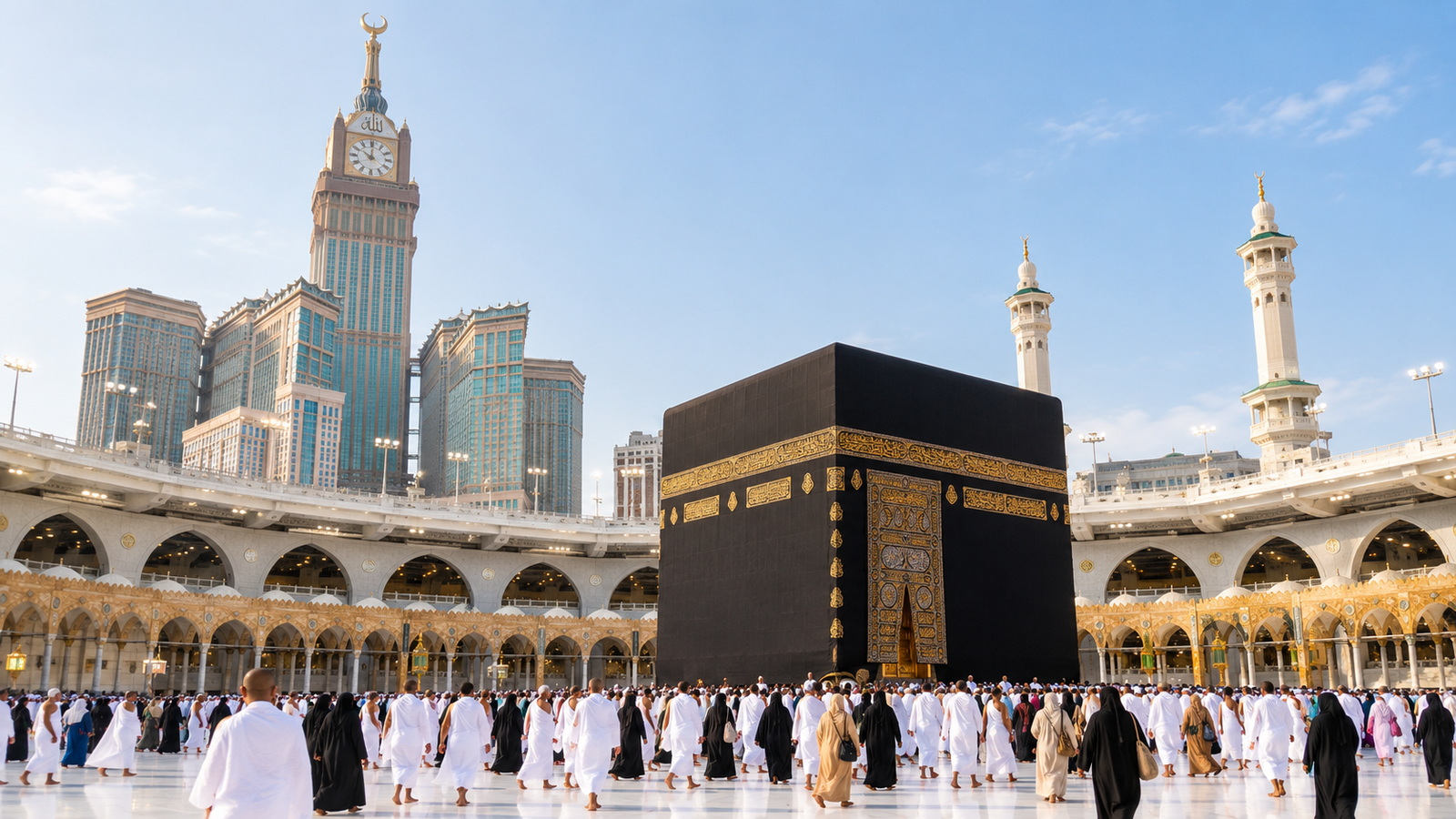
Umrah is a special spiritual journey that allows Muslims to visit the Holy Kaaba in Makkah, offer prayers, and strengthen their connection with Allah. Unlike Hajj, Umrah can be performed at different times throughout the year, making it an accessible opportunity for Muslims who wish to experience this meaningful act of worship. Proper preparation can help pilgrims focus on their religious duties while enjoying a more comfortable and organised journey.
For pilgrims travelling from Pakistan, planning the journey involves choosing suitable flights, arranging accommodation, preparing travel documents, and understanding the rituals. Exploring Umrah Packages Islamabad can help travellers understand the available travel options and identify a package that suits their budget, schedule, and accommodation preferences.
1. Understand the Basic Rituals of Umrah
Before travelling to Saudi Arabia, it is important to learn the main rituals of Umrah. Understanding each step in advance can help you perform the pilgrimage with greater confidence and concentration.
Entering the State of Ihram
Ihram is the sacred state a pilgrim enters before performing Umrah. Pilgrims make the intention to perform Umrah and recite the Talbiyah. Men generally wear two unstitched pieces of cloth, while women wear modest clothing that meets Islamic requirements.
Pilgrims must observe the restrictions associated with Ihram until they complete the required rituals and exit this state. It is helpful to learn these rules from a reliable Islamic scholar or an official Umrah guide before departure.
Performing Tawaf
Tawaf involves walking around the Holy Kaaba seven times in an anticlockwise direction. Pilgrims use this time for remembrance of Allah, supplication, and reflection.
The Haram can become crowded, particularly during busy periods. Follow the instructions of mosque staff, avoid pushing other worshippers, and perform Tawaf calmly and respectfully.
Performing Sa’i Between Safa and Marwah
Sa’i involves walking seven circuits between the hills of Safa and Marwah inside Masjid al-Haram. This ritual commemorates the struggle of Hajar (AS) as she searched for water for her son, Ismail (AS).
Pilgrims can make personal supplications and remember Allah during Sa’i. There is no need to feel pressured to memorise a different supplication for every step; learn the relevant guidance and worship sincerely.
Cutting or Shaving the Hair
After completing Tawaf and Sa’i, pilgrims cut or shave their hair according to the applicable Islamic guidance. Men may shave their heads or shorten their hair, while women generally cut a small portion from the ends of their hair. This completes the Umrah rituals and allows pilgrims to exit Ihram.
2. Arrange Your Travel Documents in Advance
Preparing travel documents early can reduce stress and help prevent avoidable delays. Before confirming your journey, check the current Saudi entry requirements applicable to your nationality and travel circumstances.
Common preparations include:
- A valid passport that meets the applicable entry requirements.
- The appropriate visa or travel authorisation.
- Confirmed flight and accommodation details.
- Travel insurance, where appropriate.
- Copies of important documents for emergencies.
- Any required health documentation or vaccinations.
Keep digital and printed copies of essential documents in a secure place. It is also useful to save your airline details, hotel address, travel agent contact information, and emergency contacts on your phone.
Requirements can change, so confirm the latest information through official Saudi government channels before travelling.
3. Choose Accommodation Near the Holy Mosques
Accommodation is an important part of planning an Umrah trip, especially for elderly pilgrims, families with children, and travellers who prefer frequent visits to Masjid al-Haram.
In Makkah, hotels close to the Haram can reduce walking time and make it easier to attend prayers. However, these hotels may cost more than properties located farther away. Consider your budget, mobility needs, room arrangements, and the availability of transport before making a decision.
In Madinah, many pilgrims prefer accommodation near Al-Masjid an-Nabawi because it offers convenient access to the Prophet’s Mosque.
Before booking, check the following details:
- The actual distance from the hotel to the mosque.
- Whether the hotel provides shuttle services.
- Room occupancy and bed arrangements.
- Meal options and accessibility facilities.
- Cancellation policies and additional charges.
Do not rely only on hotel photographs or the phrase “near the Haram.” Check the location on a map and confirm the exact property details before paying.
4. Prepare a Practical Packing List
Packing carefully can make your journey more comfortable. Avoid carrying unnecessary items because you may need to walk through airports, hotels, and crowded areas.
Consider packing these essentials:
- Ihram clothing for men and appropriate modest clothing for women.
- Comfortable walking footwear.
- A small bag for essential belongings.
- Unscented toiletries suitable for use during Ihram.
- Prescription medicines and necessary medical supplies.
- A phone charger and suitable travel adapter.
- Reusable water bottle, where permitted.
- Copies of travel documents.
- A small amount of local currency and an appropriate payment card.
Keep important medicines and essential documents in your hand luggage. If you take prescription medication, check Saudi regulations for your specific medicines before travelling.
5. Plan Your Budget Carefully
The cost of Umrah depends on several factors, including the season, flights, accommodation, package duration, room sharing, and transport arrangements.
Creating a budget before booking helps you understand the total cost and avoid unexpected expenses.
Your budget should account for:
Flights: Compare available routes, baggage allowances, and departure dates before choosing your tickets.
Accommodation: Consider the location, room type, and number of nights in Makkah and Madinah.
Transport: Include airport transfers, travel between the two holy cities, and local transportation where needed.
Meals: Check whether meals are included in your package or need to be arranged separately.
Personal expenses: Allow money for refreshments, essential purchases, and other individual needs.
Emergency funds: Keep some additional money available in case of unexpected expenses or travel changes.
Compare the complete package price rather than choosing solely on the lowest advertised amount. A slightly more expensive package may provide better accommodation, convenient transport, or services that reduce the need for extra spending.
6. Look for a Suitable Umrah Travel Package
A suitable travel package can simplify the arrangements for flights, hotels, transportation, and other included services. However, the right choice depends on your personal requirements and the services offered by the provider.
When comparing options, review the package duration, hotel names, flight arrangements, visa assistance, transport services, and cancellation terms.
You can explore available options through Ziarat Travels and compare the information with your own travel requirements before making a booking decision.
Before paying, ask for written confirmation of the services included in the package. Confirm whether the price is per person, whether the hotel room is shared, and whether any additional charges may apply.
It is also sensible to verify the provider’s credentials, review the booking terms, and keep receipts for all payments.
7. Prepare Physically for the Journey
Umrah often involves considerable walking, standing, and movement through crowded areas. Preparing your body before departure may help you manage these activities more comfortably.
If appropriate for your health, begin with regular gentle walks in the weeks before travelling. Gradually increase the distance as your fitness improves.
Drink enough water, rest when needed, and wear comfortable footwear. Avoid overexerting yourself, especially during hot weather.
Pilgrims with medical conditions or mobility concerns should discuss their travel plans with a healthcare professional before departure. Carry necessary medication and understand how to access medical assistance in Saudi Arabia.
Elderly travellers and families may benefit from planning rest periods and agreeing on meeting points in case anyone becomes separated from the group.
8. Learn the Important Duas and Etiquette
Learning basic supplications and the etiquette of the holy sites can help you prepare spiritually for Umrah.
Before leaving home, review the Talbiyah, the guidance for Tawaf and Sa’i, and the general etiquette of visiting the Two Holy Mosques.
You can also prepare a personal list of duas for forgiveness, guidance, family well-being, and other concerns. Remember that you can make sincere personal supplications in your own language.
During your visit, respect other worshippers, keep pathways clear, follow official instructions, and avoid actions that may cause inconvenience or harm to others.
For accurate, step-by-step guidance, consult the official Saudi Ministry of Hajj and Umrah resources and seek qualified religious guidance when you have questions about specific rulings.
9. Plan Your Visit to Madinah
Many pilgrims choose to visit Madinah before or after their stay in Makkah. Although visiting Madinah is not a required ritual of Umrah, it can be a meaningful part of the overall journey.
The main attraction is Al-Masjid an-Nabawi, the Prophet’s Mosque. Visitors should observe its rules, maintain respectful behaviour, and follow the applicable arrangements for access to designated areas.
Depending on your schedule, you may also explore other historical and religious sites in Madinah through permitted visits. Plan your transport and available time in advance rather than trying to fit too many activities into a short stay.
Remember to balance sightseeing with rest and worship so that the journey remains comfortable and meaningful.
Conclusion
Preparing for Umrah involves more than booking flights and accommodation. Learning the rituals, checking travel requirements, arranging suitable hotels, preparing a realistic budget, and packing carefully can help you approach the journey with greater peace of mind.
Take time to compare travel packages, verify the services included, and seek reliable religious guidance before departure. With thoughtful preparation and sincere intention, you can focus more fully on worship and make your visit to Makkah and Madinah a memorable spiritual experience.
May Allah make your journey easy, accept your Umrah, and reward you for your intentions and efforts.