

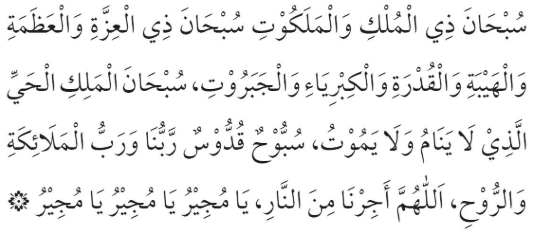
Ramadan is a month of mercy, forgiveness, and closeness to Allah. One of the most beautiful acts of worship during this blessed month is the Taraweeh prayer. Along with standing in prayer and listening to the Quran, making supplication is a powerful way to connect with Allah. This is where Taraweeh Ki Dua holds great importance.
Taraweeh prayer softens the heart, and dua allows a believer to speak directly to Allah. In this article, we will explain the meaning, importance, and spiritual value of the Taraweeh dua in easy words so everyone can understand and benefit.
What Is Taraweeh Ki Dua?
Taraweeh ki dua refers to the supplications a Muslim makes during or after the Taraweeh prayer in Ramadan. A dua is a personal prayer in which a believer asks Allah for forgiveness, mercy, guidance, and help in both this world and the Hereafter.
There is no single fixed wording. What matters most is sincerity, humility, and faith while asking Allah.
Meaning of Taraweeh Dua
The meaning of the Taraweeh dua focuses on asking Allah for:
- Forgiveness of sins
- Mercy and kindness
- Acceptance of fasting and prayers
- Protection from Hellfire
- Guidance and strong faith
During Taraweeh, the heart becomes calm and focused through long-standing and Quran recitation, making the dua more meaningful and powerful.
Importance of Dua During Taraweeh
Making dua taraweeh is highly important because Ramadan nights are among the best times for dua acceptance. Taraweeh prayer prepares the heart for sincere communication with Allah.
Here’s why it matters so much:
- Ramadan is the month of mercy and forgiveness.
- Night worship brings a believer closer to Allah.
- Taraweeh increases focus, patience, and sincerity.
After completing the prayer, the heart naturally turns to Allah with hope and trust.
Dua e Taraweeh and Spiritual Connection
The dua e taraweeh is not about long words or memorization. It is about speaking honestly from the heart. Whether a person asks for peace, guidance, family well-being, or forgiveness, Allah listens to every sincere call.
These moments during Ramadan help strengthen faith and build a deep spiritual bond with the Creator.
Taraweeh Dua and Personal Supplication
A taraweeh dua allows a believer to reflect on their life and turn back to Allah. It is a time to ask for healing, strength, patience, and success in the Hereafter.
Allah loves when His servants ask Him, especially in the quiet and peaceful nights of Ramadan.
Taraveeh Ki Dua in Simple Words
Many people refer to this supplication as taraveeh ki dua, especially in South Asian cultures. This means the heartfelt prayer made during or after Taraweeh.
The language does not matter. What matters is sincerity, trust, and a hopeful heart.
Taraweeh Ki Dua in Urdu
Many Muslims prefer to make taraweeh ki dua in Urdu because it allows them to express their emotions clearly and deeply. Allah understands every language, and speaking from the heart brings comfort and peace.
When to Recite Taraweeh Dua
One common time people make supplication is after Taraweeh, or after Witr, meaning the dua made after completing Taraweeh or Witr.
You can make dua:
- After Taraweeh
- After Witr
- During short breaks
- Late at night
There is no restriction. Every moment of Ramadan night is blessed.
Role of Quran Recitation and Tajweed
Listening to the Quran during Taraweeh increases the impact of the dua. Proper recitation, guided by Tajweedul Quran, softens the heart and deepens understanding, making supplications more meaningful and sincere.
Conclusion
Taraweeh ki dua is a beautiful gift of Ramadan. It transforms prayer into a personal conversation with Allah. Whether spoken in Arabic, Urdu, or your own words, Allah hears every sincere call, especially during the blessed nights of Ramadan 2026.
Make the most of Ramadan nights by combining prayer, Quran, and heartfelt dua. Ask Allah for forgiveness, guidance, peace, and acceptance and trust that He will respond in the best way.
FAQs
1. Is there a fixed Taraweeh ki dua?
No, there is no compulsory or fixed dua. Any sincere supplication is acceptable.
2. Can I make Taraweeh dua in my own language?
Yes, you can make dua in any language you understand.
3. When is the best time to make Taraweeh dua?
After Taraweeh or after Witr prayer is considered best.
4. Is making dua during Taraweeh obligatory?
It is not obligatory, but it is highly recommended.
5. Can women recite Taraweeh ki dua at home?
Yes, women can pray Taraweeh and make dua at home, with the same reward as in the masjid.
6. Is it necessary to pray Taraweeh for the entire month of Ramadan?
Praying Taraweeh throughout the month of Ramadan is a Sunnah Mu’akkadah and highly rewarding, but it is not obligatory.