
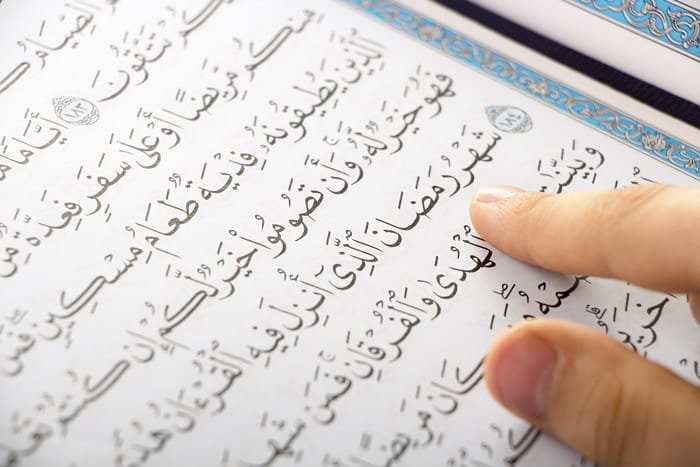
Many Muslims read the Quran daily, yet the sound and flow sometimes feel uncertain. Letters may come out unclear, pauses happen at the wrong place, and the beauty of recitation gets lost. This is exactly where Tajweed becomes essential. Tajweed teaches the correct way to pronounce every Arabic letter, control the sound, and give each word its proper right.
Through Tajweed, a reader learns how the Quran was recited and preserved since the time of the Prophet ﷺ. As a result, recitation becomes clear, accurate, and full of respect for Allah’s words. In simple terms, Tajweed is the set of rules that guide proper Quran recitation. It explains how letters should sound, how long a vowel should stretch, and where a reader should pause or continue. These rules protect the Quran from mistakes and keep its original pronunciation intact.
What is the Meaning of Tajweed in Quran Recitation
Tajweed comes from the Arabic word jawwada, which means “to make something good, correct, and beautiful.” In simple words, Tajweed means reading the Quran in the best and most correct way. Every Arabic letter has a specific sound and place where it comes from in the mouth or throat. Tajweed teaches a reader how to produce these sounds clearly.
In Quran recitation, Tajweed also means giving each letter its proper right during reading. That includes correct pronunciation, proper length of vowels, and clear separation between letters. Allah highlights careful recitation in the Quran: “And recite the Quran with measured recitation.” — Quran (Surah Al-Muzzammil 73:4). Tajweed helps a reader follow this instruction and preserve the original sound of the Quran.
Why Tajweed Is Important When Reading the Quran
Tajweed is important because it protects the correct pronunciation of the Quran. Arabic letters can sound very similar, yet a small change in sound can change the meaning of a word. Tajweed helps the reader pronounce every letter from its proper place so the words remain accurate.
Another reason Tajweed matters is the preservation of the Quran. The Quran has been passed from teacher to student for generations with precise recitation. Tajweed keeps that original method alive and prevents mistakes during reading.
Correct Tajweed also protects the meaning of verses. When sounds, pauses, and vowel lengths stay correct, the message of the Quran remains clear. Without Tajweed, words may sound different and the meaning of an ayah could change. That’s why enrolling in an online tajweed course is a valuable step for anyone who wants to learn proper recitation with accuracy and confidence.
The Main Purpose of Tajweed Rules
The main purpose of Tajweed rules is to guide a reader toward accurate and respectful Quran recitation. These rules organize how letters should sound and how words should flow together. As a result, the recitation becomes clear and balanced.
Tajweed also protects the natural rhythm of the Quran. The Quran was revealed with a specific style of recitation, and Tajweed keeps that style safe. Once these rules become part of daily practice, reading the Quran feels smoother and more confident.
The key goals of Tajweed include:
- Giving every Arabic letter its correct sound and position
- Controlling vowel length, known as Madd
- Learning when to pause and when to continue
- Keeping the beauty and flow of Quran recitation intact
These rules help readers follow the recitation taught and preserved since the time of Muhammad ﷺ.
Principles of Tajweed
1. Makharij al-Huruf (Articulation Points of Arabic Letters)
Makharij al-Huruf means the exact places where Arabic letters come out during recitation of the Quran. Each letter has a fixed origin in the mouth or throat. Tajweed teaches these points so every letter sounds clear and separate.
There are five main articulation areas. Al-Jauf (empty mouth) produces long vowels like ا، و، ي. Al-Halq (throat) produces letters such as ء، ه، ع، ح، غ، خ. Al-Lisan (tongue) produces many letters including ت، د، ر، س، ش. Ash-Shafatain (lips) produce ف، ب، م، و. Finally, Al-Khayshum (nasal cavity) creates the nasal sound called ghunnah.
Correct letter origin matters because similar letters can change meaning. For example, ق and ك sound close, yet their articulation differs. Tajweed ensures each letter keeps its correct sound.
2. Sifat al-Huruf (Characteristics of Letters)
Sifat al-Huruf are the natural qualities of Arabic letters. These qualities explain how a letter should sound once it comes from its articulation point. Tajweed uses these characteristics to control strength, softness, and airflow.
Some letters sound strong and heavy. These include خ، ص، ض، ط، ظ، غ، ق. They carry a deeper tone during recitation. Other letters remain soft and light, such as ب، ت، ل، ن، م. These sound lighter and smoother.
Every letter also carries permanent sound qualities. For example, some letters allow breath to flow, while others stop it. This affects how the letter is pronounced in words. A simple example appears in صراط where the letter ص stays heavy, while nearby letters remain light. Tajweed helps maintain these differences so recitation stays clear and accurate.
3. Rules of Noon Sakinah and Tanween
Noon Sakinah (نْ) and Tanween (ً ٍ ٌ) follow four important Tajweed rules. These rules guide how the sound changes depending on the letter that follows.
1. Izhar (Clear pronunciation) occurs before throat letters ء، ه، ع، ح، غ، خ. The ن sound stays clear. Example: مِنْ هَادٍ.
2. Idgham (Merging sound) happens when نْ or Tanween meets letters ي، ر، م، ل، و، ن. The sound merges with the next letter. Example: مِنْ رَبِّهِمْ.
3. Iqlab (Conversion) appears before the letter ب. The ن sound changes to a hidden م with nasal sound. Example: أَنْبِئْهُم.
4. Ikhfa (Hidden sound) occurs before fifteen letters such as ت، ث، ج، د، ذ، ز، س، ش. The ن sound becomes light and hidden with nasal tone. Example: مِنْ شَرِّ.
4. Rules of Meem Sakinah
Meem Sakinah (مْ) also follows three Tajweed rules depending on the letter that appears after it.
1. Ikhfa Shafawi occurs when مْ comes before ب. The sound becomes hidden with a nasal tone. Example: تَرْمِيهِم بِحِجَارَةٍ.
2. Idgham Shafawi occurs when مْ meets another م. Both letters merge with a strong nasal sound called ghunnah. Example: لَهُم مَّا.
3. Izhar Shafawi occurs when مْ comes before any other letter except ب and م. The م sound remains clear from the lips. Example: عَلَيْهِمْ صَلَوَاتٌ.
These rules guide the movement of the lips and nasal sound so the letter م remains correct during recitation.
5. Rules of Madd (Elongation)
Madd means stretching a vowel sound in Quran recitation. It usually appears on the long vowel letters ا، و، ي. Tajweed uses small symbols in the Mushaf to show the length.
1. Natural Madd (Madd Asli) stretches for two counts. It appears when a long vowel letter follows its matching vowel. Example: قَالَ where ا extends the sound.
2. Secondary Madd occurs when a hamzah (ء) or sukoon (ْ) appears after a Madd letter. This can stretch for four or six counts depending on the rule. Example: جَاءَ.
Correct vowel length matters because too short or too long can disturb the rhythm of the verse. Tajweed keeps the flow balanced and accurate.
6. Qalqalah Letters
Qalqalah refers to a slight echo sound that appears when certain letters carry a sukoon (ْ). This sound prevents the letter from becoming dull during recitation.
There are five Qalqalah letters:
ق، ط، ب، ج، د
When one of these letters has sukoon, the sound bounces slightly. Example: أَحَدْ where the letter د produces a soft echo at the stop.
Qalqalah also appears strongly at the end of verses when stopping. This small echo keeps the letter clear without adding an extra vowel.
7. Heavy and Light Letters
In Tajweed, some letters sound heavy (Tafkheem) while others sound light (Tarqeeq). This difference changes the tone of recitation.
1. Heavy letters include خ، ص، ض، ط، ظ، غ، ق. These letters fill the mouth with a deeper sound. Example: قَالَ where ق sounds strong.
2. Light letters include most other Arabic letters such as ب، ت، س، ل، م. These sound soft and thin. Example: بِسْمِ where ب and س remain light.
Maintaining this difference keeps Quran recitation balanced and accurate.
8. Rules of Laam and Raa
Two important letters in Tajweed are Laam (ل) and Raa (ر) because their sound changes depending on the word.
1. Laam Shamsiyyah (Solar Laam) occurs when ال appears before sun letters like ت، ث، د، س، ش. The ل sound disappears and the next letter doubles. Example: الشَّمْس.
2. Laam Qamariyyah (Lunar Laam) occurs before moon letters like ق، ك، م، ه. The ل sound remains clear. Example: الْقَمَر.
The letter Raa (ر) can also become heavy or light. It becomes heavy with fatha or dammah, such as رَبّ. It becomes light with kasrah, such as فِرْعَوْن. Tajweed guides these changes so recitation remains correct.
9. Rules of Stopping and Starting in the Quran
Correct stopping and starting keep the meaning of the Quran clear during recitation. Waqf means stopping at the end of a word to take a breath while maintaining the correct message. Some stops are necessary, while others should be avoided. For example, the symbol م (Waqf Lazim) shows a compulsory stop, while لا warns the reader not to stop there. These marks help protect the meaning of the verse.
There are several types of Waqf, such as Waqf Lazim (necessary stop) and Waqf Jaiz (permissible stop). Ibtida means starting the recitation again after a pause. The reader should begin from a word that keeps the meaning complete and clear.
10. Signs of Tajweed in the Quran Mushaf
The Quran Mushaf includes special Tajweed signs that guide correct recitation. These symbols show when to stop, pause, stretch a vowel, or continue reading.
For example:
· the symbol م means stop
· ج means a pause is allowed
· صلى suggests continuing is better
Madd symbols also appear to indicate vowel stretching. These marks guide readers and make recitation easier and more accurate.
Final Words
Tajweed protects the beauty, accuracy, and original sound of the Quran. Once these rules become part of daily recitation, reading turns clearer, smoother, and more confident. Want to master Tajweed while strengthening your Hifz journey? Learn step-by-step with expert teachers at Quran Sheikh today.